AI Fruit Freshness & Shelf-Life Prediction System
Elexnova engineered a computer-vision system that assesses visible fruit defects, calculates an objective freshness index, and estimates remaining shelf life using microclimate storage parameters (temperature & relative humidity).
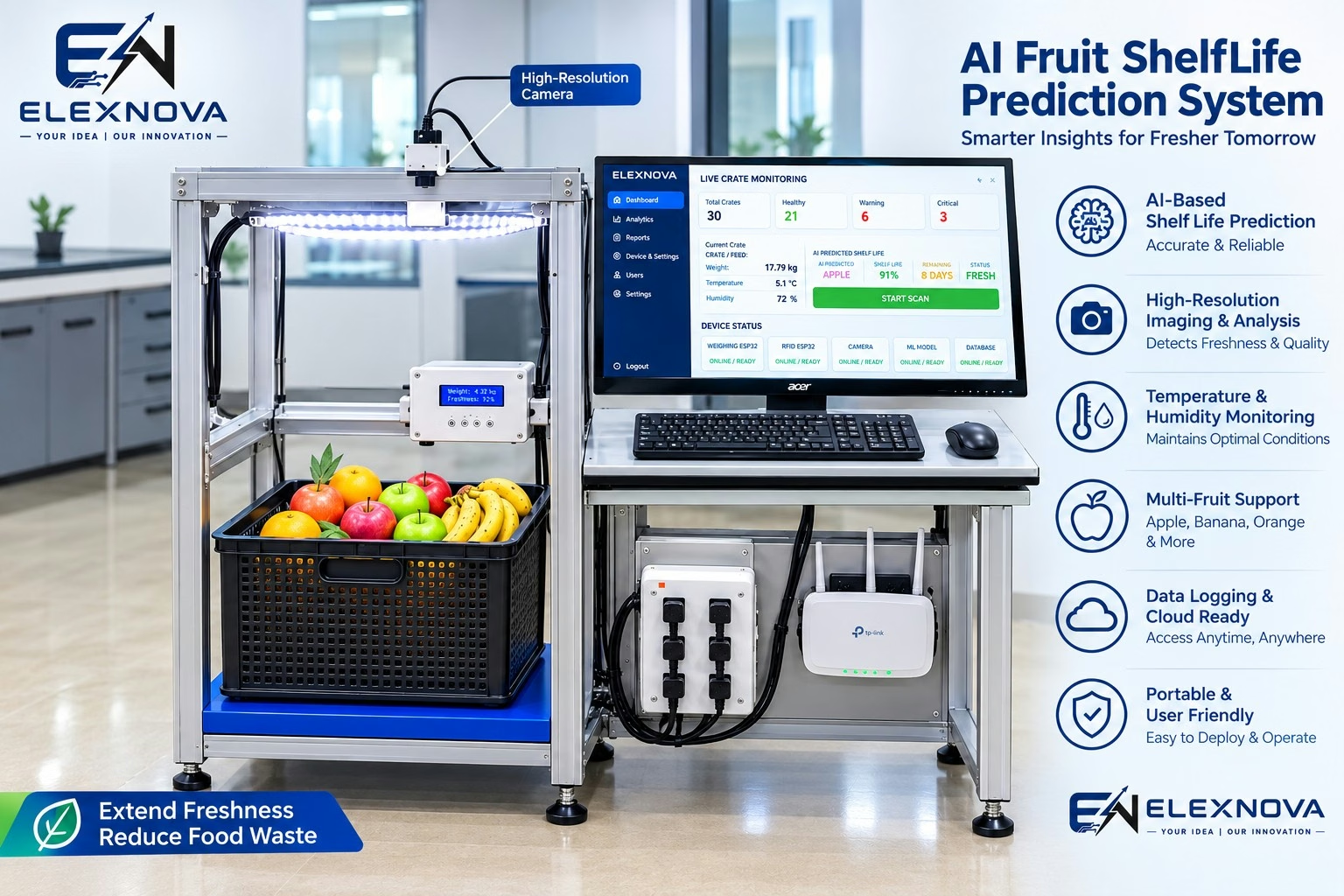
Patch Segmentation
Blemish coverage ratio0–100% Index
Edge curvature weightedArrhenius + VPD
Temp & RH penalty decay8+ Fruit Species
Trained baseline models4-Stage Optical & Environmental Intelligence
Translating visual surface condition and ambient storage variables into actionable shelf-life predictions.
1. Detect & Isolate
The camera pipeline isolates the fruit contour from background clutter, standardizing lighting and white balance.
2. Semantic Segmentation
AI maps surface blemishes, scabs, and bruising, calculating patch area, perimeter, and edge curvature proximity.
3. Freshness Scoring
Defect coverage ratio and patch count generate an objective 0–100% rating with edge-distortion compensation.
4. Shelf-Life Forecast
Ambient temperature and humidity telemetry compute remaining days of commercial viability before spoilage.
Precision Quality Analytics & Modeling
A scientifically backed assessment pipeline combining deep visual features with post-harvest biological kinetics.
Detection & Segmentation
Pixel-level mask segmentation accurately demarcates distinct defect boundaries from healthy fruit peel.
Edge-Area Curvature Weighting
Compensates for 3D fruit curvature where small visible blemishes on the periphery indicate larger concealed damage.
Arrhenius Temperature Modeling
Biological respiration and degradation rates calculated dynamically based on real-time cold-chain temperature feeds.
Vapor Pressure Deficit (VPD)
Incorporates relative humidity metrics to model moisture transpiration, shriveling, and weight loss over time.
Multi-Species Calibration
Pre-trained parameters for apple, banana, melon, mango, orange, pear, pomegranate, and strawberry.
Automated Batch Reporting
Exports comprehensive inspection audits, lot quality distributions, and remaining shelf-life trends for ERP sync.
Where Predictive Quality Modeling Delivers ROI
Minimizing post-harvest food waste, optimizing cold chain logistics, and ensuring high-quality retail delivery.
Cold Storage & Warehousing
Continuous monitoring of stored pallets to prioritize first-to-expire lots for immediate dispatch.
Wholesale Transit & Logistics
Pre-shipment verification ensuring produce survives transit times and arrives with commercial shelf viability.
Supermarket Produce Screening
Intelligent receiving dock screening to accept or discount incoming produce lots based on verified freshness.
Post-Harvest Agricultural Science
Standardized objective scoring for shelf-life extension treatments, coatings, and packaging R&D.
How the Freshness Assessment Is Calculated
The system first detects the fruit and segments the visible fruit and defect areas. The freshness score considers the proportion of visible defect coverage and the number and distribution of distinct patches. Edge-area weighting is used because a small visible defect near the curved edge can represent a larger affected area outside the direct camera view.
Remaining shelf life is estimated from the assessed condition and storage context. The implementation uses fruit-specific baseline values and applies temperature and humidity effects, including an Arrhenius-style temperature correction and a humidity-related VPD penalty. Estimates must be calibrated and validated for the target fruit, storage conditions, and commercial workflow.
Supported Fruit Portfolio
Custom fruit types and regional varieties can be trained and added to the baseline model.
Frequently Asked Questions
Is shelf life guaranteed?
No. The system provides an algorithmic estimate based on the trained computer-vision model, visible surface condition, and available environmental inputs. It should be calibrated and validated for your target produce species, cold storage facilities, and transport workflows.
Can it support more than one fruit type?
Yes. The system architecture supports multiple fruit varieties. Each fruit category is calibrated with its specific defect taxonomy, respiration curves, temperature sensitivities, and validation data.
Deploy AI Fruit Quality & Shelf-Life Intelligence
Talk to Elexnova engineers to discuss camera deployment, custom fruit datasets, and cold-storage environmental telemetry integration.